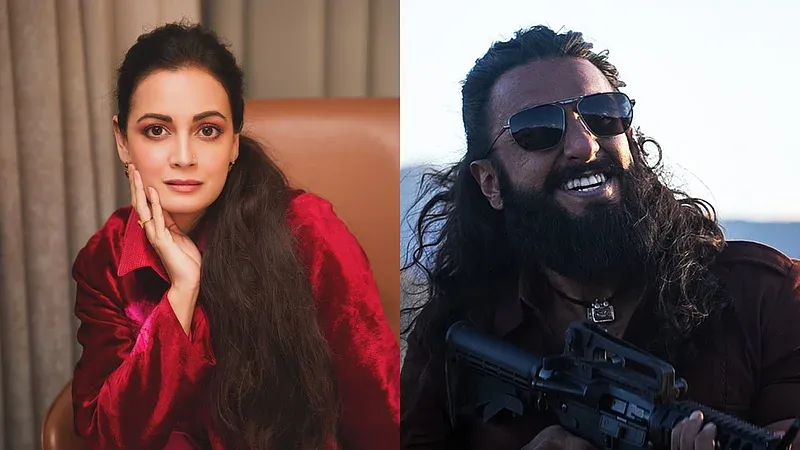
Actor and environmental advocate Dia Mirza recently generated conversation in the entertainment industry after comparing the narrative intensity of the series IC 814: The Kandahar Hijack with the action-driven film Dhurandhar: The Revenge. Her remarks highlighted similarities in storytelling themes such as national security, emotional stakes, and dramatic tension. The comparison quickly gained traction across social media platforms and film circles, with audiences discussing how both productions approach high-stakes narratives. Industry observers note that such comparisons reflect the evolving interplay between streaming series and theatrical cinema in shaping modern audience engagement.
A Comparison That Sparked Conversation
Actor Dia Mirza recently drew attention within the film community by comparing elements of IC 814: The Kandahar Hijack with those found in Dhurandhar: The Revenge.
Her remarks focused on the intense narrative frameworks both productions employ. According to Mirza, each project explores themes of conflict, national identity, and emotional resilience through gripping storytelling techniques.
The observation quickly circulated online, prompting discussions among critics and fans about how modern Indian cinema and streaming content interpret real-world inspired drama.
The Storytelling Power of High-Stakes Narratives
Productions centered on national security or historical events often resonate strongly with audiences. Both IC 814: The Kandahar Hijack and Dhurandhar: The Revenge rely on tension-driven narratives that place characters in extraordinary circumstances.
These stories typically combine emotional storytelling with elements of political drama and action. Such an approach allows filmmakers to explore themes of patriotism, sacrifice, and moral conflict while maintaining audience engagement.
Mirza’s comparison highlights how different formats—streaming series and theatrical films—can employ similar narrative strategies to capture viewers’ attention.
Streaming Platforms and the Rise of Dramatic Series
The success of series like IC 814: The Kandahar Hijack reflects the growing influence of digital platforms in India’s entertainment industry.
Streaming services have expanded creative possibilities by allowing filmmakers to tell complex stories across multiple episodes rather than within a traditional two- or three-hour film format.
This format enables deeper exploration of characters, political contexts, and historical detail—elements that increasingly appeal to audiences seeking immersive storytelling experiences.
The Cinematic Appeal of ‘Dhurandhar: The Revenge’
In contrast, Dhurandhar: The Revenge represents the enduring power of theatrical cinema. Large-scale action sequences, dramatic visual design, and emotionally charged storytelling are hallmarks of such films.
Big-screen productions often emphasize spectacle and intensity, creating experiences designed for theatrical audiences. This approach continues to attract viewers who value the communal experience of cinema halls.
Mirza’s comparison suggests that despite their different formats, both projects share the ability to deliver compelling narratives centered on high-stakes conflict.
Dia Mirza’s Role in Industry Conversations
Over the years, Dia Mirza has become known not only for her acting career but also for her thoughtful engagement with broader cultural discussions.
Her comments frequently address topics ranging from environmental sustainability to the evolving nature of media and storytelling. By comparing two prominent productions, she contributed to an ongoing dialogue about how contemporary Indian entertainment portrays complex national narratives.
Industry analysts often view such conversations as valuable because they encourage deeper engagement with storytelling techniques and thematic choices.
The Convergence of Cinema and Streaming
The comparison between IC 814 and Dhurandhar: The Revenge ultimately highlights a larger trend within the entertainment industry: the gradual convergence of cinematic and streaming storytelling.
Today’s audiences move seamlessly between theaters and digital platforms, consuming content across multiple formats. As a result, filmmakers increasingly design narratives that can resonate across both mediums.
For producers and studios, this convergence represents both a challenge and an opportunity—requiring innovation while expanding the reach of Indian storytelling.
A Reflection of Changing Audience Expectations
Mirza’s remarks illustrate how audiences now evaluate films and series within a broader storytelling ecosystem. Rather than viewing them as separate categories, viewers often compare narrative intensity, production quality, and emotional impact across formats.
For the entertainment industry, such comparisons signal a maturing market where storytelling depth and creative ambition are becoming central to success.
In this evolving landscape, both theatrical films and streaming series are likely to continue influencing one another—reshaping the future of Indian entertainment.
Comments