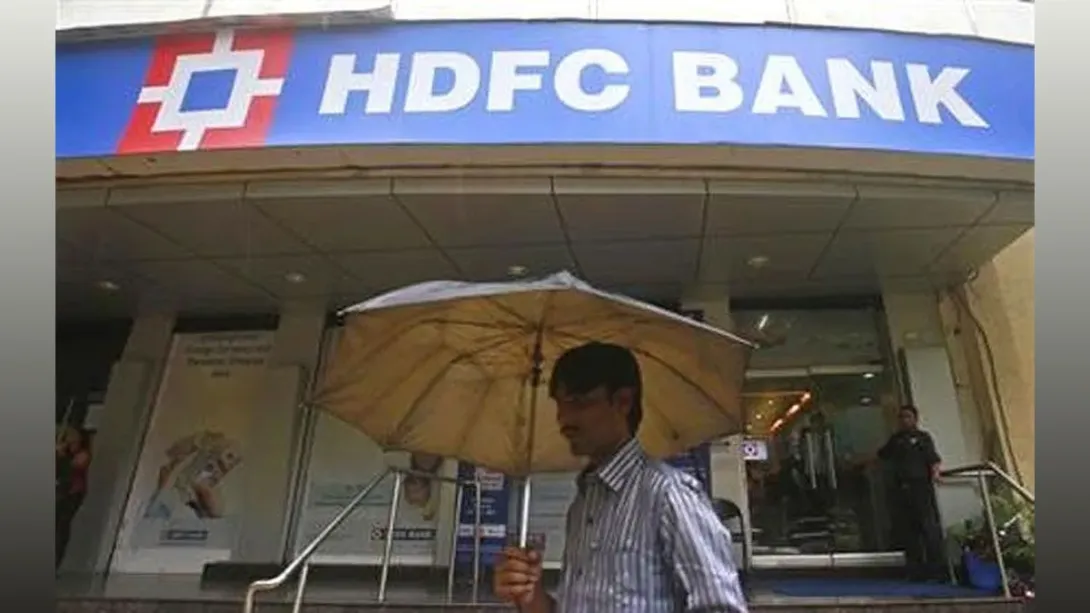
Shares of HDFC Bank tumbled sharply after the unexpected resignation of its chairman, triggering investor uncertainty over corporate governance and strategic continuity. The announcement raised questions about leadership succession, risk management, and the bank’s growth trajectory, causing market participants to reassess valuations. Analysts note that while the bank maintains strong fundamentals, abrupt executive departures in high-profile institutions can provoke short-term volatility, influence investor sentiment, and affect lending and expansion strategies. Financial markets reacted promptly, with the stock losing significant value in early trading. The event underscores the interplay between executive leadership stability, market confidence, and corporate governance in shaping investor behavior.
Immediate Market Reaction
Following the announcement, HDFC Bank’s shares fell sharply, reflecting heightened investor caution. Trading volumes surged as market participants reevaluated the stock’s risk profile, with concerns centering on leadership continuity and strategic direction.
Analysts point out that abrupt executive departures in major financial institutions often provoke short-term volatility, even when operational fundamentals remain strong. The market reaction underscores the sensitivity of investor confidence to perceived governance risks.
Implications for Corporate Governance
The resignation raises questions about the bank’s executive succession planning and internal governance frameworks. Maintaining transparency, clear communication, and an effective leadership transition will be critical in stabilizing stakeholder confidence.
Experts note that robust corporate governance practices, including independent oversight and succession protocols, are essential for mitigating the reputational and operational risks associated with sudden leadership changes.
Strategic and Operational Considerations
While HDFC Bank retains a strong balance sheet and healthy asset quality, the leadership vacuum may temporarily affect decision-making on lending strategies, expansion plans, and digital initiatives. Market observers are closely monitoring interim arrangements and board responses to ensure continuity in strategic execution.
Effective management of these operational and strategic considerations will be pivotal in reassuring investors, clients, and regulators alike.
Investor Sentiment and Outlook
Short-term investor sentiment has turned cautious, with portfolio managers reviewing exposure to the stock amid uncertainty. Analysts suggest that medium-to-long-term confidence will hinge on the appointment of a capable successor and clarity on the bank’s strategic direction.
Despite the immediate turbulence, the bank’s underlying fundamentals—including asset quality, profitability, and market position—remain strong, providing a buffer against extended negative market impact.
Conclusion
The sudden resignation of HDFC Bank’s chairman has highlighted the critical link between leadership stability and investor confidence. Market reactions reflect both immediate uncertainty and broader concerns about governance and strategic continuity.
As the bank navigates the transition, transparent communication, timely succession planning, and continued operational resilience will be essential to restore market stability and reaffirm HDFC Bank’s position as a leading financial institution in India.
- Log in to post comments