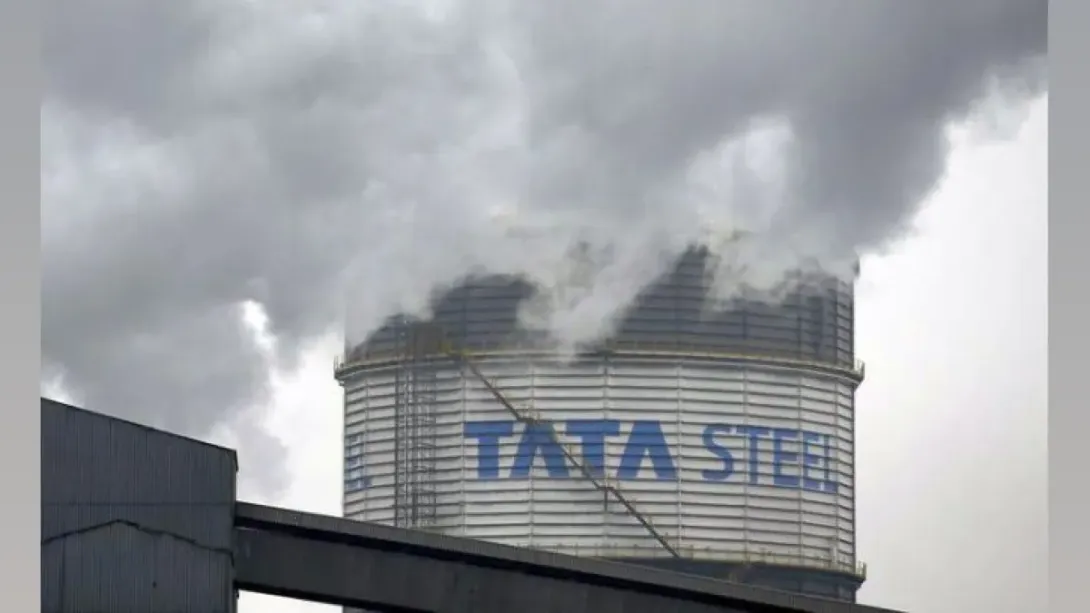
Hindustan Zinc and Tata Steel have announced a strategic partnership to develop low-carbon zinc solutions for the steel industry, signaling a major step toward sustainable metallurgy in India. The collaboration focuses on reducing carbon emissions in zinc production, improving energy efficiency, and integrating circular economy principles in raw material sourcing. Analysts highlight that the partnership leverages Hindustan Zinc’s metallurgical expertise and Tata Steel’s industrial scale, positioning both companies to meet growing ESG demands and regulatory expectations while supporting India’s decarbonization targets in industrial sectors.
Strategic Rationale for the Partnership
The joint initiative aligns with global and national priorities to decarbonize heavy industries. By combining Hindustan Zinc’s advanced smelting and refining technologies with Tata Steel’s large-scale production capabilities, the partnership aims to create low-carbon zinc products suitable for steel galvanization and other industrial applications.
Analysts note that such collaborations are essential to address climate-related regulations, improve sustainability reporting, and meet growing consumer and investor demand for environmentally responsible industrial practices.
Technology and Process Innovations
The partnership focuses on implementing energy-efficient smelting, renewable power integration, and waste heat recovery systems in zinc production. Circular economy initiatives, including recycling zinc-containing byproducts from steel operations, will further enhance environmental performance.
By optimizing production processes and reducing carbon intensity, the collaboration seeks to offer premium low-carbon zinc to domestic and international steel manufacturers, reinforcing India’s position in sustainable metallurgy.
Market Potential and ESG Impact
Demand for low-carbon zinc is expected to rise as steelmakers, automotive manufacturers, and construction companies increasingly prioritize environmentally responsible materials. Analysts project that the partnership could capture significant market share while simultaneously reducing lifecycle emissions in steel galvanization processes.
The initiative also strengthens both companies’ ESG credentials, enhancing investor confidence and aligning with India’s broader climate commitments, including Nationally Determined Contributions (NDCs) under the Paris Agreement.
Industrial and Economic Significance
Beyond environmental benefits, the partnership provides opportunities for operational efficiency, cost optimization, and technology leadership. By fostering innovation in low-carbon metallurgical processes, Hindustan Zinc and Tata Steel contribute to skill development, supply chain resilience, and domestic industrial competitiveness.
Analysts emphasize that strategic collaborations like this can accelerate the adoption of cleaner technologies across the metals and manufacturing sectors, creating a positive multiplier effect for India’s industrial ecosystem.
Outlook and Long-Term Implications
The Hindustan Zinc–Tata Steel partnership exemplifies how legacy industries can integrate sustainability without compromising operational scale. Analysts predict that continued investment in low-carbon solutions, process innovation, and circular economy practices will position both companies as leaders in green metallurgy.
The collaboration highlights the intersection of industrial growth, environmental stewardship, and strategic innovation, reinforcing India’s ambition to achieve sustainable manufacturing while meeting global ESG standards.
- Log in to post comments