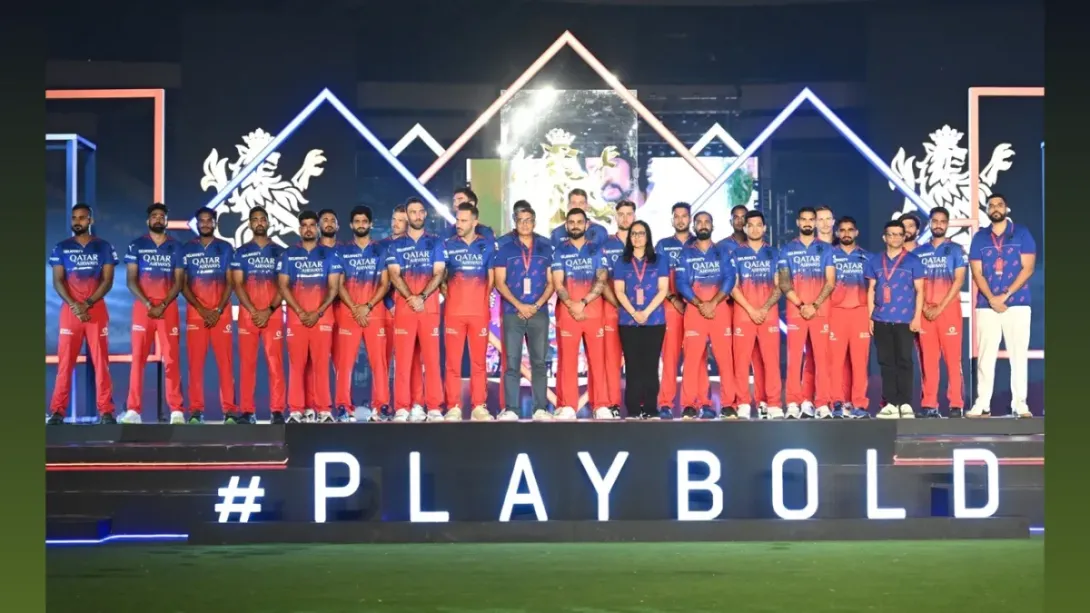
Former businessman Vijay Mallya has sparked renewed discussion about the commercial evolution of the Royal Challengers Bengaluru, suggesting that the franchise he once owned has grown far beyond what critics initially labeled a “vanity project.” Speaking about the possibility of a future sale, Mallya highlighted how the Indian Premier League has transformed cricket into a multi-billion-rupee sports economy. What began as a bold investment in entertainment and branding has matured into a highly valuable sporting enterprise. The conversation underscores the remarkable financial rise of IPL franchises and illustrates how strategic sports investments can evolve into globally recognized business assets.
The Origins of a Controversial Investment
When Vijay Mallya acquired Royal Challengers Bengaluru during the early years of the Indian Premier League, the move was widely interpreted as an extravagant extension of his flamboyant corporate identity. At the time, critics frequently described franchise ownership as a luxury purchase designed to enhance personal prestige rather than generate long-term financial returns.
However, the IPL’s rapid expansion soon reshaped those assumptions. What initially appeared to be an experimental venture in sports entertainment gradually developed into one of the most lucrative sporting ecosystems in the world. Today, the financial valuation of IPL franchises is measured in billions of rupees, driven largely by media rights agreements, sponsorship partnerships, and global broadcasting deals.
Mallya now argues that the league’s evolution has validated the early investors who recognized cricket’s commercial potential.
The Rise of Royal Challengers Bengaluru as a Global Brand
Royal Challengers Bengaluru has become one of the IPL’s most recognizable franchises. Despite not consistently securing championship titles, the team enjoys a massive global fan base and strong brand recognition.
A key driver of this visibility has been the presence of international cricket stars, most notably Virat Kohli, whose long-standing association with the franchise has elevated its global profile. Kohli’s performances and popularity have significantly strengthened RCB’s commercial appeal, helping the franchise attract major sponsorship deals and maintain high levels of fan engagement.
From a marketing perspective, RCB represents a powerful sports brand capable of generating consistent digital traction, merchandise revenue, and television viewership.
The Financial Transformation of IPL Franchises
The Indian Premier League has experienced remarkable economic growth since its inception. Media rights auctions, advertising partnerships, and digital streaming agreements now generate annual revenues worth billions of rupees.
Franchise valuations have followed a similar trajectory. Teams once purchased for relatively modest sums have appreciated dramatically in value as global audiences and commercial interest in the league have expanded.
Sports economists frequently point to the IPL as a case study in successful sports commercialization. By combining cricket with entertainment, aggressive marketing, and strategic scheduling, the league has built an ecosystem capable of rivaling established global sporting competitions.
Within this environment, franchises such as Royal Challengers Bengaluru have evolved from experimental ventures into valuable corporate assets.
From Personal Ambition to Structured Sports Business
Mallya’s recent remarks suggest that the narrative surrounding IPL ownership has shifted significantly over time. Early skepticism about franchise investments has largely been replaced by recognition of their long-term financial potential.
Today, IPL teams operate as sophisticated business entities with structured management, diversified revenue streams, and extensive corporate partnerships. Their operations resemble those of major international sports clubs rather than privately funded entertainment projects.
This transformation demonstrates how strategic investment in sports can generate both cultural influence and substantial economic returns.
The Possibility of Future Ownership Changes
Speculation about potential changes in ownership of Royal Challengers Bengaluru periodically emerges as the franchise’s valuation continues to rise. For investors and financial analysts, such developments highlight the increasing attractiveness of sports franchises as long-term investment vehicles.
If ownership transitions were ever to occur, they would likely involve transactions valued in billions of rupees, reflecting the immense commercial growth of the IPL over the past decade.
Such deals would also signal the maturity of the league’s business model, where franchises function as premium assets within a highly competitive entertainment marketplace.
A Symbol of Cricket’s Commercial Evolution
The discussion surrounding Vijay Mallya and Royal Challengers Bengaluru ultimately illustrates a broader shift within professional cricket. What began as a bold experiment in sports entertainment has evolved into a sophisticated industry blending competition, branding, and global media influence.
For investors, the IPL demonstrates the economic power of well-managed sports leagues. For fans, it continues to deliver high-intensity cricket that captivates audiences worldwide.
In this context, Royal Challengers Bengaluru stands as a reminder that what was once dismissed as a vanity venture can, with the right market conditions and strategic vision, become one of the most valuable properties in global sport.
- Log in to post comments