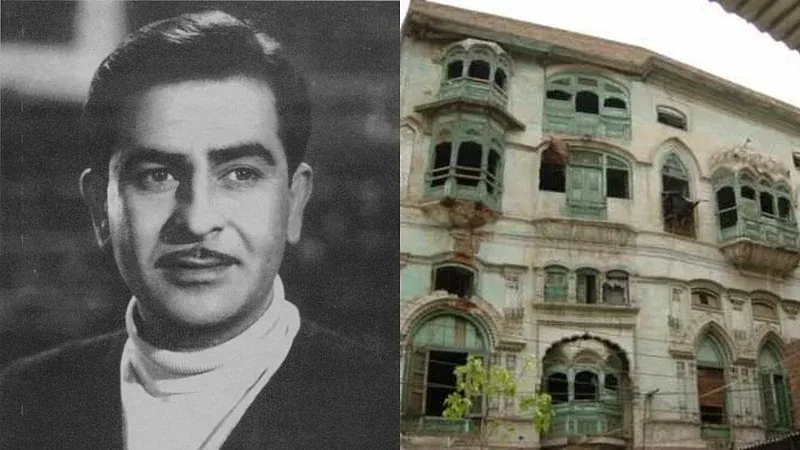
The historic Kapoor Haveli in Peshawar, a designated national heritage site, has reportedly suffered structural damage, reigniting concerns over the preservation of culturally significant properties. Once associated with the illustrious Kapoor family, the haveli represents a shared cultural legacy spanning borders. The incident underscores broader challenges in maintaining heritage infrastructure, including funding gaps and urban pressures. Experts warn that neglecting such landmarks could result in irreversible cultural and economic losses, particularly as heritage tourism remains an underutilized yet high-potential sector in the region.
A Cultural Landmark Under Threat
Kapoor Haveli, an architectural relic with deep historical and cultural significance, has sustained visible damage, raising alarm among conservationists and historians. The structure, known for its distinctive design and heritage value, has long stood as a symbol of the region’s rich past.
Its deterioration highlights the vulnerability of heritage assets, especially those located in densely populated urban environments where maintenance often takes a back seat to development pressures.
Historical Significance and Cross-Border Legacy
The haveli is closely linked to the Kapoor family, one of the most influential dynasties in Indian cinema. Its existence in Peshawar reflects a shared cultural heritage that predates modern geopolitical boundaries.
Such sites serve as tangible reminders of historical continuity, offering insights into architectural traditions, social structures, and cultural exchanges that shaped the subcontinent.
Economic Implications: Heritage as an Untapped Asset
Heritage properties like Kapoor Haveli hold significant economic potential, particularly in the domain of tourism. Globally, well-preserved heritage sites contribute substantially to local economies through visitor spending, hospitality services, and cultural programming.
However, inadequate investment—often limited to a few crores (Rs.) or equivalent funding—has constrained the ability to restore and maintain such structures. This underinvestment results in missed economic opportunities and declining tourist interest.
Structural Challenges in Conservation Efforts
Preserving heritage buildings requires specialized expertise, sustained funding, and coordinated policy frameworks. In many cases, ownership disputes, bureaucratic delays, and lack of technical resources hinder effective conservation.
Kapoor Haveli’s condition reflects these systemic challenges, where delayed intervention can accelerate structural degradation and increase restoration costs over time.
The Need for Strategic Intervention
Experts emphasize the importance of immediate and long-term measures to safeguard heritage sites. Public-private partnerships, increased budget allocations, and international collaboration could play a pivotal role in preserving such landmarks.
Additionally, integrating heritage conservation into urban planning frameworks can ensure that development and preservation coexist sustainably.
Conclusion: Preserving History for Future Value
The damage to Kapoor Haveli serves as a stark reminder of the fragile state of cultural heritage in the region. Beyond its historical importance, the site represents a potential economic asset that, if preserved, could contribute to tourism and cultural engagement.
Safeguarding such landmarks is not merely an act of preservation but an investment in cultural identity and economic opportunity. Without timely intervention, the loss could extend beyond architecture to the erosion of shared history itself.
- Log in to post comments