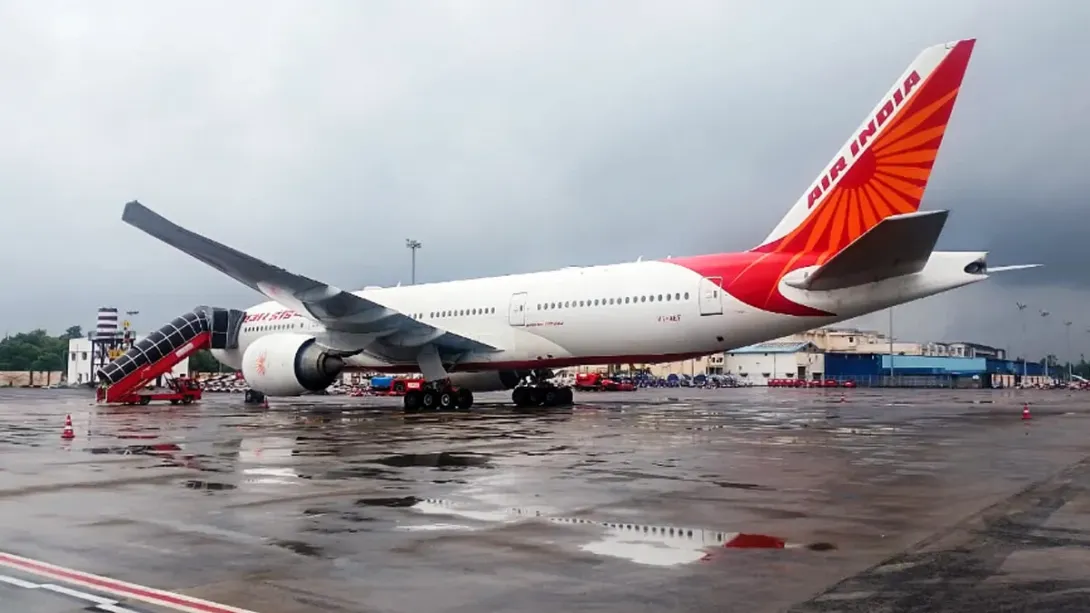
India’s largest airline, IndiGo, has temporarily suspended flights to several Middle East destinations as geopolitical tensions continue to disrupt regional aviation operations. The airline announced that services to seven cities in the region, including major hubs such as Doha, Kuwait, and Sharjah, will remain suspended until March 28. The move comes as airlines worldwide reassess routes and capacity in response to airspace restrictions, operational uncertainties, and rising fuel and insurance costs. Despite the temporary suspension, IndiGo will maintain a reduced schedule of flights to the Middle East, ensuring limited connectivity while prioritizing operational safety and financial stability during the ongoing regional conflict.
Operational Adjustments in Response to Regional Conflict
IndiGo has announced a temporary suspension of flights to seven Middle East destinations as airlines respond to the rapidly evolving geopolitical environment in the region.
The decision reflects broader adjustments within the aviation industry, where airlines are reassessing routes and schedules to ensure passenger safety and operational efficiency.
Flights to several cities, including Doha, Kuwait, and Sharjah, will remain suspended until March 28. The airline stated that the move is part of a broader strategy to align its operations with current regional conditions.
Such operational changes are becoming increasingly common as airlines navigate geopolitical disruptions affecting international travel corridors.
Maintaining Limited Connectivity to the Region
While suspending services to certain destinations, IndiGo has indicated that it will continue to operate a limited number of flights to and from the Middle East.
Between March 16 and March 28, the airline plans to run approximately 252 weekly flights connecting India with several cities in the region.
This reduced schedule aims to maintain essential connectivity for passengers while minimizing operational risk amid uncertain conditions.
Airlines often adopt such strategies during periods of geopolitical tension, balancing commercial demand with safety considerations and regulatory constraints.
Rising Operational Costs and Industry Challenges
The aviation sector has been facing mounting operational challenges due to the ongoing geopolitical situation. Airlines operating in or around conflict zones must contend with airspace restrictions, potential rerouting, and heightened insurance costs.
Fuel prices have also been increasing in recent weeks, further straining airline operating margins. Aviation fuel is one of the largest cost components for airlines, and sudden spikes in energy prices can significantly affect profitability.
These financial pressures, combined with logistical challenges, have forced several carriers to adjust capacity and revise flight schedules.
Safety and Risk Management as Key Priorities
For airlines, safety remains the top priority when geopolitical tensions disrupt international air routes. Airspace closures or restrictions often require airlines to reroute flights, which can increase travel time, fuel consumption, and operational complexity.
IndiGo has emphasized that it is closely monitoring developments in the region and will continue to evaluate operational conditions as the situation evolves.
The airline’s decision to temporarily suspend certain flights reflects a cautious approach aimed at minimizing risks to passengers, crew members, and aircraft operations.
Broader Impact on Aviation and Travel Markets
The ongoing geopolitical tensions in West Asia have created ripple effects across the global aviation industry. Airlines operating routes connecting Asia, Europe, and the Middle East are particularly affected due to the strategic importance of regional air corridors.
Disruptions in flight schedules can also impact travel demand, cargo logistics, and tourism flows.
For India, which maintains strong travel and business links with Middle Eastern countries, such developments have important implications for both passenger travel and trade connectivity.
Outlook for Regional Aviation Operations
Industry observers note that airlines will continue to adapt flight schedules and capacity as the geopolitical situation unfolds.
If tensions in the region ease, airlines could gradually restore suspended routes and return to normal operating levels. However, prolonged uncertainty may require continued operational adjustments.
For now, carriers such as IndiGo are prioritizing flexibility and safety while ensuring that essential travel links remain available.
The aviation sector’s ability to adapt quickly to geopolitical developments will remain critical in maintaining stability in international air travel networks.
- Log in to post comments