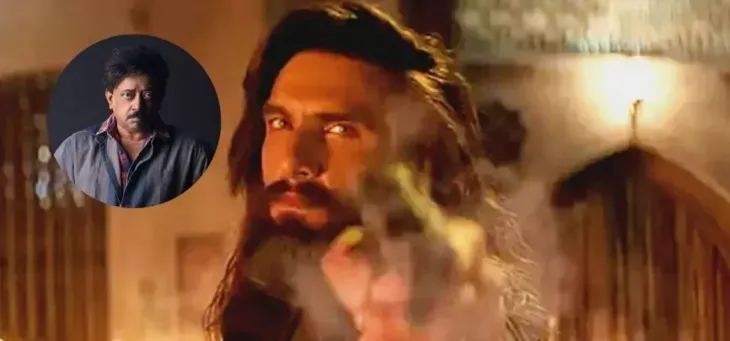
Filmmaker Ram Gopal Varma has shared his views on the film Dhurandhar, sparking conversation within India’s entertainment industry about the commercial dynamics of large-scale action cinema. Varma’s remarks reflect a broader industry debate over storytelling, star power, and financial risk in high-budget productions. With action-driven films increasingly commanding significant investment, analysts note that projects like Dhurandhar represent a strategic attempt to capture wide audiences in a competitive theatrical market. The filmmaker’s perspective has drawn attention from industry observers who view his commentary as part of an ongoing discussion about creativity, profitability, and audience expectations in modern Indian filmmaking.
Ram Gopal Varma’s Perspective on Contemporary Cinema
Veteran filmmaker Ram Gopal Varma has commented on the film Dhurandhar, offering insights that have resonated with both industry professionals and film enthusiasts.
Varma, widely recognized for directing influential films such as Satya and Company, has long been known for his candid observations about filmmaking trends. His remarks regarding Dhurandhar highlight the shifting balance between artistic experimentation and commercial strategy within India’s entertainment landscape.
Industry observers say that commentary from experienced filmmakers often shapes public discourse around major film releases.
The Business Model Behind High-Impact Action Films
Films like Dhurandhar represent a category of cinema designed to deliver large-scale spectacle while attracting mass-market audiences. Such productions typically involve significant investment in action choreography, visual effects, and high-profile marketing campaigns.
In recent years, big-budget Indian action films have required production expenditures ranging from Rs. 150 crore to Rs. 300 crore, reflecting the industry’s ambition to compete with global blockbusters. These financial commitments are supported by diversified revenue streams, including theatrical collections, digital streaming rights, and international distribution agreements.
Varma’s commentary underscores how filmmakers must navigate both creative storytelling and financial sustainability when producing large-scale commercial cinema.
Industry Debate: Creativity Versus Commercial Pressure
The discussion surrounding Dhurandhar also touches on a broader debate within the film industry—whether large investments encourage innovation or lead to formula-driven storytelling designed primarily to secure box office returns.
According to analysts, the rising scale of production budgets has increased pressure on filmmakers to deliver commercially successful results. As a consequence, studios often rely on proven genres such as action and adventure to reduce financial uncertainty.
Filmmakers like Ram Gopal Varma frequently emphasize the importance of balancing artistic originality with market expectations, a challenge that continues to shape the industry’s evolution.
The Role of Filmmaker Commentary in Industry Discourse
In the modern entertainment ecosystem, public commentary from influential directors can significantly shape audience perceptions and media narratives.
Remarks from figures such as Ram Gopal Varma often trigger broader conversations about filmmaking practices, financial risk, and creative responsibility. In the case of Dhurandhar, the discussion reflects growing awareness that cinema today operates at the intersection of art, technology, and large-scale capital investment.
Such debates are increasingly visible as social media platforms amplify industry voices and enable real-time public engagement.
Looking Ahead: The Future of High-Budget Indian Cinema
As the Indian film industry continues to expand, productions like Dhurandhar illustrate how the economics of filmmaking are evolving. Studios are investing heavily in ambitious projects designed to capture audiences across theatrical and digital platforms.
For filmmakers, the challenge lies in maintaining creative authenticity while managing complex financial structures. Commentary from experienced industry figures—including Ram Gopal Varma—provides valuable perspectives on how the industry might navigate these challenges.
Ultimately, the conversation surrounding Dhurandhar reflects a broader transformation in Indian cinema, where artistic vision increasingly intersects with large-scale commercial strategy.
- Log in to post comments