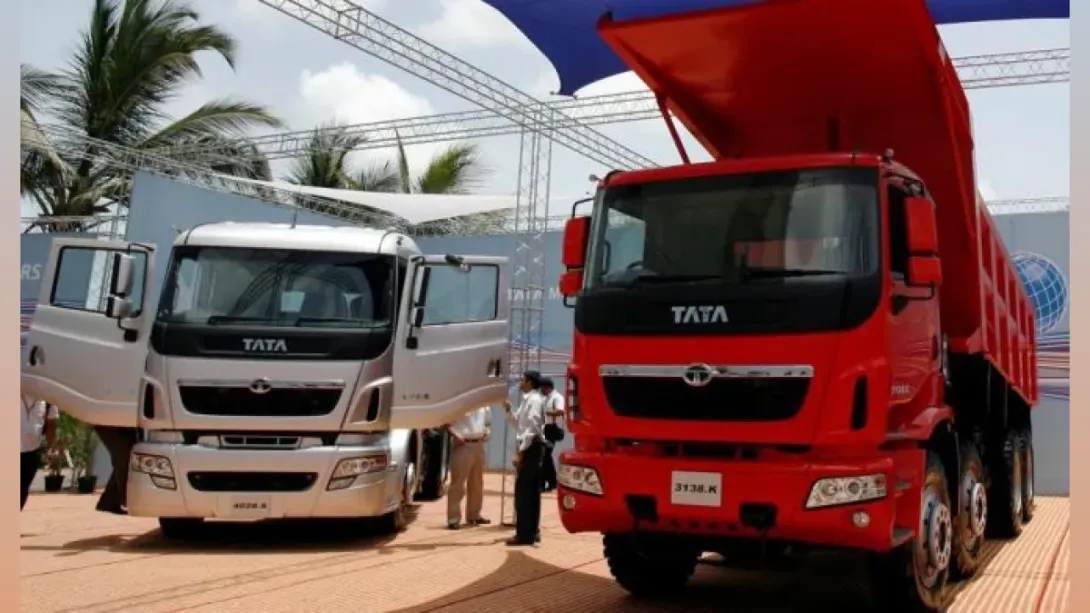
Tata Motors Limited has confirmed a planned price increase of up to 1.5% across select vehicle models, effective from April. The decision is attributed to rising input costs, inflationary pressures, and investment in advanced technologies, including electric vehicle (EV) development. Analysts suggest that while the hike is modest, it reflects broader trends in the automotive industry, where manufacturers are adjusting prices to sustain margins and fund innovation. Consumers can expect the adjustment across passenger and commercial vehicle lines, while Tata Motors aims to balance affordability with operational efficiency and continued investment in EV infrastructure and R&D.
Drivers Behind the Price Adjustment
Tata Motors has cited multiple factors prompting the upcoming price revision:
Rising Input Costs – Global supply chain disruptions and elevated raw material prices have increased production costs.
Investment in Technology – Enhanced focus on EVs, connected vehicle technologies, and safety features requires additional capital.
Inflationary Pressures – Escalating costs of labor, logistics, and energy contribute to operational expenditures.
The company emphasizes that the increase, capped at 1.5%, is calibrated to minimize the impact on consumers while ensuring financial sustainability.
Implications for Consumers and Market
The price adjustment will be applicable across select passenger and commercial vehicle models. Experts note that a moderate hike of this magnitude is unlikely to deter demand significantly, given Tata Motors’ strong brand equity and value proposition.
For potential EV buyers, the increase may coincide with government incentives or subsidies, mitigating overall cost impacts and promoting continued adoption of electric mobility solutions.
Strategic Perspective
The move aligns with Tata Motors’ broader strategy to maintain profitability while investing in future-ready technologies. Revenue from the price adjustment may support expansion of EV infrastructure, R&D for next-generation vehicles, and enhanced customer service initiatives.
Analysts highlight that this approach demonstrates a careful balance between financial prudence and market competitiveness, ensuring Tata Motors can sustain long-term growth in an increasingly challenging automotive landscape.
Outlook
Tata Motors’ incremental price hike reflects a pragmatic response to cost pressures and investment requirements, signaling stability and strategic foresight in its operations. As India’s automotive market continues to evolve with EV adoption and technological advancements, measured adjustments like these will be critical for manufacturers to maintain competitiveness, innovation, and customer trust.
By maintaining transparency and limiting increases to 1.5%, Tata Motors positions itself to navigate cost pressures while continuing to invest in sustainable mobility solutions and industry-leading technologies.
Comments