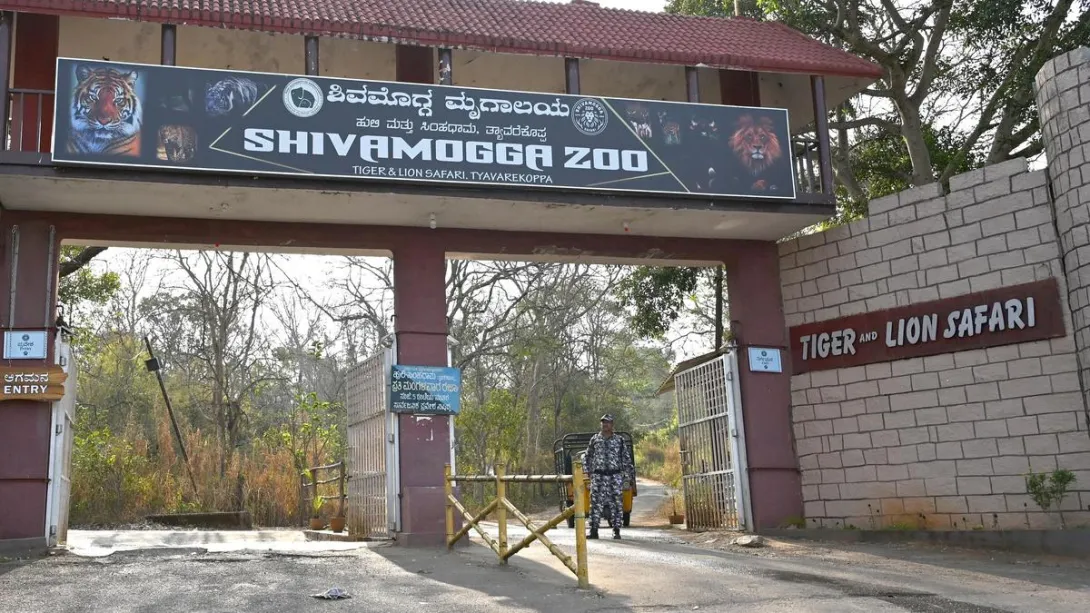
An unusual development involving a hippopotamus has drawn public and administrative attention in Karnataka, prompting wildlife authorities to investigate the circumstances surrounding the animal’s presence and management. The incident has sparked conversations about wildlife oversight, zoo management standards and the regulatory frameworks governing exotic animals. Officials from regional forest and wildlife departments have begun assessing the situation to ensure compliance with animal welfare and conservation guidelines. Experts say the episode highlights broader challenges in maintaining proper infrastructure and oversight for large animals, emphasizing the importance of transparent governance and responsible wildlife management across India’s growing network of zoological institutions.
Wildlife Authorities Examine the Situation
Authorities in Karnataka have begun reviewing reports concerning a hippopotamus linked to a local zoological or wildlife management facility. The animal, one of the largest semi-aquatic mammals in the world, typically requires specialized care, controlled habitats and strict regulatory supervision.
Officials from the state’s forest and wildlife departments have indicated that they are gathering information about the animal’s living conditions, health status and compliance with national wildlife guidelines.
Such investigations are common whenever unusual developments occur involving protected or exotic animals, particularly those housed within regulated conservation facilities.
The Complexities of Managing Large Wildlife Species
Hippopotamuses are among the most demanding species to maintain in captivity due to their size, behavioral characteristics and environmental requirements. They require large water bodies, controlled diets and carefully designed enclosures to replicate their natural habitats.
Wildlife experts note that maintaining these animals involves significant logistical and financial investment. Facilities must ensure veterinary care, habitat enrichment and strict safety protocols for both the animals and the personnel responsible for their care.
Failures in any of these areas can quickly escalate into broader regulatory or animal welfare concerns.
Regulatory Framework for Zoos and Wildlife Facilities
India maintains a structured oversight system for zoological institutions and wildlife facilities, ensuring that animals are housed in environments that meet conservation and welfare standards.
These guidelines typically cover enclosure design, animal health monitoring, breeding management and public safety measures. Regulatory authorities periodically conduct inspections to verify that facilities comply with these standards.
The situation in Karnataka has therefore prompted officials to review documentation and operational practices related to the management of the hippopotamus in question.
Public Interest and Conservation Awareness
Incidents involving large or unusual animals often capture public attention, particularly when they occur in urban or semi-urban environments. Wildlife conservationists say such events can serve as opportunities to educate the public about biodiversity and responsible animal management.
At the same time, transparency from authorities is crucial in maintaining public confidence in conservation institutions. Experts emphasize that clear communication about the animal’s welfare and safety measures can help prevent misinformation and unnecessary concern.
The Broader Importance of Wildlife Governance
The episode in Karnataka underscores the importance of strong governance in wildlife conservation and zoo management. As India expands its network of zoological parks and wildlife rescue centers, maintaining international standards of care becomes increasingly essential.
Conservation specialists argue that well-managed facilities not only protect animal welfare but also contribute to scientific research, public education and biodiversity preservation.
Ultimately, the current review by authorities may lead to strengthened oversight mechanisms, ensuring that large and complex species such as hippopotamuses are managed responsibly within India’s conservation infrastructure.
Comments