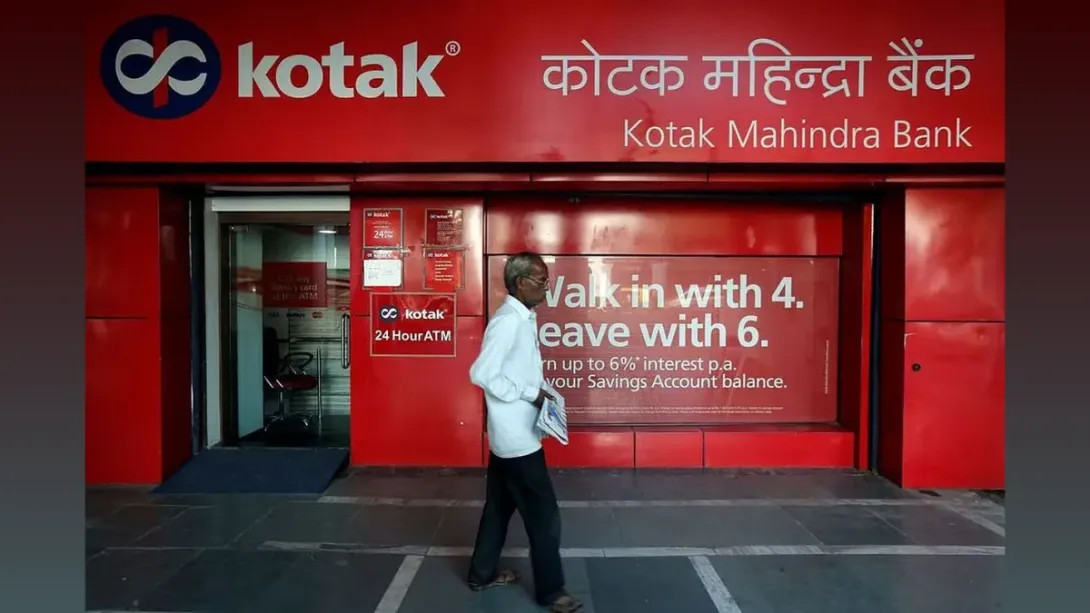
Authorities in Haryana have arrested a bank employee linked to a financial fraud involving fixed deposit receipts (FDRs) in Panchkula. The accused, reportedly associated with Kotak Mahindra Bank, is alleged to have manipulated internal banking procedures to misappropriate funds worth several lakhs of rupees. Investigators claim the scheme involved unauthorized handling of customer deposits and falsified financial documentation. The case highlights persistent vulnerabilities in banking oversight and internal control mechanisms. Financial experts say such incidents underscore the importance of stronger compliance frameworks, robust auditing systems, and enhanced customer awareness to protect savings within India’s rapidly expanding banking sector.
Allegations Surrounding the Panchkula FDR Fraud
Law enforcement authorities recently arrested an employee of Kotak Mahindra Bank in connection with a suspected financial fraud linked to fixed deposit receipts. The case emerged after complaints were filed regarding irregularities in deposit accounts at a bank branch in Panchkula.
According to preliminary investigations, the accused allegedly manipulated official banking records to divert funds associated with customer deposits. Authorities suspect the misuse of fixed deposit instruments, commonly regarded as secure financial products for retail investors.
Officials believe the fraudulent activities may have taken place over an extended period before being detected during internal verification procedures.
Understanding Fixed Deposit Receipts and Their Risks
Fixed deposit receipts, commonly known as FDRs, represent one of the most trusted investment tools among Indian banking customers. These instruments allow individuals to deposit funds for a fixed period while earning guaranteed interest returns.
However, financial experts warn that despite the inherent safety of such instruments, operational fraud can occur if internal monitoring systems fail. Unauthorized access to account records, forged documentation, or improper authorization procedures can create opportunities for manipulation.
The Panchkula case serves as a reminder that even traditional financial products require strict oversight and transparent record management.
Regulatory Oversight and Banking Compliance
India’s banking sector operates under a comprehensive regulatory framework overseen by the Reserve Bank of India. Financial institutions are required to maintain stringent internal controls, including periodic audits, transaction monitoring, and compliance reporting.
Despite these safeguards, isolated incidents of employee misconduct occasionally surface. Such cases often prompt banks to reassess operational procedures, strengthen internal verification mechanisms, and improve employee accountability.
Industry analysts note that maintaining strong governance standards is critical for preserving public trust in the banking system.
The Financial and Reputational Impact
Although investigations are still ongoing, financial fraud cases can carry significant consequences for institutions involved. Even when isolated to individual misconduct, such incidents may affect a bank’s reputation and customer confidence.
For financial institutions like Kotak Mahindra Bank, protecting brand credibility is particularly important in a competitive banking environment where trust forms the foundation of customer relationships.
Prompt action by law enforcement and internal disciplinary measures can help mitigate reputational damage and demonstrate institutional commitment to transparency.
Lessons for Banking Customers
Financial advisors recommend that depositors regularly monitor their bank statements and maintain proper documentation for all investment products, including fixed deposits. Verifying account balances and transaction details can help detect irregularities at an early stage.
Customers are also encouraged to interact directly with official bank communication channels rather than relying solely on branch-level documentation.
In a rapidly digitizing financial environment, informed customers play a crucial role in safeguarding their own financial interests.
A Reminder of the Importance of Financial Governance
The Panchkula FDR fraud investigation highlights the ongoing challenges faced by financial institutions in maintaining operational integrity. As India’s banking sector continues to expand, maintaining rigorous oversight mechanisms remains essential.
For regulators, banks, and customers alike, the case reinforces a central principle of modern finance: strong governance and transparency are indispensable for sustaining confidence in the financial system.
As authorities continue their investigation, the outcome may also prompt broader discussions about strengthening internal controls across India’s banking industry.
Comments