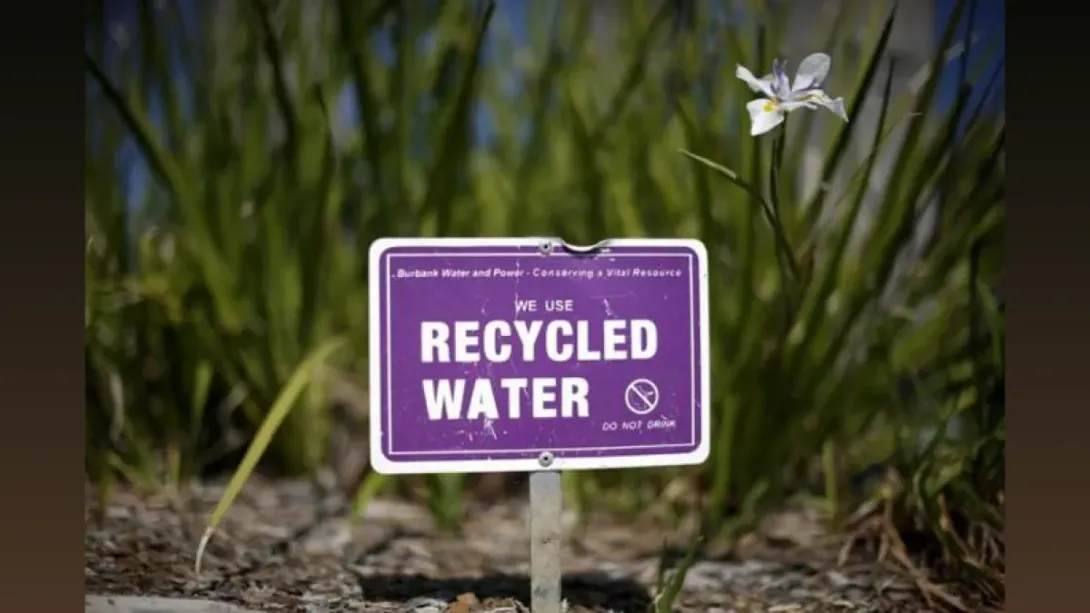
Vedanta Ltd., one of India’s largest diversified natural resources companies, has reported recycling and reusing approximately 85 million cubic metres of water across its operations, marking a significant milestone in its sustainability efforts. The initiative reflects the company’s growing emphasis on responsible resource management amid rising concerns about industrial water consumption and environmental impact. By investing in advanced water treatment technologies and circular resource practices, Vedanta aims to reduce freshwater dependency while maintaining operational efficiency. The development highlights a broader shift within India’s mining and metals sector toward sustainable industrial practices that balance economic growth with environmental stewardship.
A Major Milestone in Corporate Water Management
Vedanta Ltd. has achieved a notable environmental benchmark by recycling and reusing nearly 85 million cubic metres of water across its industrial operations. The initiative forms part of the company’s broader sustainability strategy aimed at minimizing environmental impact while maintaining high levels of production in its mining, metals, and energy businesses.
Water-intensive industries have increasingly come under scrutiny from regulators, investors, and environmental groups. In response, corporations are investing in advanced resource management systems to reduce their dependence on freshwater sources and promote circular water usage.
Vedanta’s latest achievement signals a growing commitment within the company to align industrial operations with global environmental standards.
Advanced Recycling Technologies Drive Efficiency
The company’s progress has been supported by investments in modern water recycling and treatment infrastructure. These systems allow wastewater generated during industrial processes to be treated, purified, and reused multiple times before being discharged.
Through technologies such as zero-liquid discharge systems, wastewater treatment plants, and closed-loop water management frameworks, Vedanta has significantly reduced freshwater consumption across several of its facilities.
Industry analysts note that such technological interventions are becoming essential for large-scale resource companies operating in water-stressed regions, where responsible water management is critical to maintaining long-term operational stability.
Environmental Responsibility in Resource-Intensive Industries
Mining and metals production traditionally require significant volumes of water for activities such as ore processing, cooling systems, and dust suppression. Without effective recycling practices, these processes can place substantial pressure on local water resources.
By reusing 85 million cubic metres of water, Vedanta has demonstrated how industrial players can reduce environmental strain while sustaining production levels. The initiative also contributes to the company’s broader environmental, social, and governance (ESG) commitments, which have become a central consideration for global investors.
Sustainability experts argue that responsible water stewardship is rapidly becoming a defining metric in evaluating corporate environmental performance.
Economic and Community Impact
Efficient water management extends beyond environmental benefits. In regions where industrial facilities operate near rural communities, reduced freshwater extraction helps preserve water availability for agriculture and household consumption.
Corporate initiatives that prioritize water recycling can therefore play an important role in maintaining positive relationships with local communities and ensuring regulatory compliance.
For Vedanta, sustainable water management also supports long-term cost efficiency. Recycling reduces the need for continuous freshwater procurement and lowers operational risks associated with water scarcity.
The Broader ESG Transformation in Indian Industry
Vedanta’s announcement reflects a wider transformation taking place across India’s industrial sector. Companies in energy, mining, and manufacturing are increasingly integrating sustainability into core business strategies as environmental regulations tighten and stakeholder expectations evolve.
Investors, particularly international institutional funds, are placing greater emphasis on ESG performance when evaluating companies. As a result, firms are adopting practices such as renewable energy integration, waste reduction, and water recycling to strengthen their sustainability credentials.
Vedanta’s water reuse initiative demonstrates how environmental responsibility can be integrated into large-scale industrial operations without compromising productivity.
Conclusion
The recycling of 85 million cubic metres of water represents a significant step in Vedanta’s efforts to promote sustainable industrial practices. As environmental challenges intensify and regulatory scrutiny increases, resource-intensive industries are under growing pressure to manage natural resources responsibly.
By investing in advanced water recycling technologies and prioritizing efficient resource utilization, Vedanta is positioning itself at the forefront of sustainable operations within India’s mining and metals sector. The achievement highlights how environmental stewardship and industrial growth can coexist when supported by innovation, accountability, and long-term strategic vision.
Comments