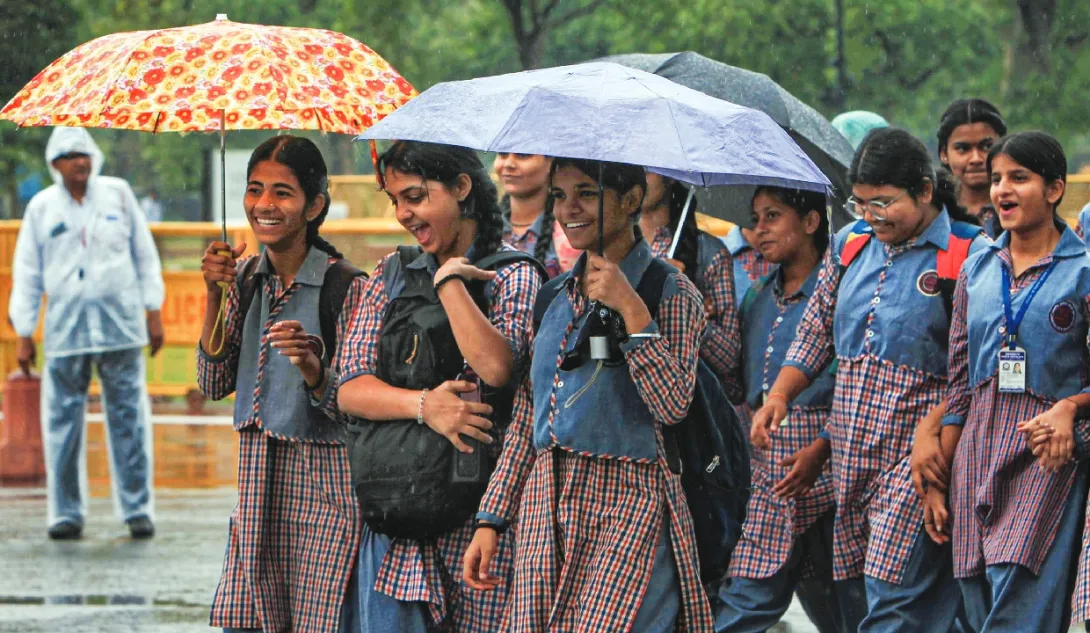
India’s weather outlook has drawn renewed attention after the India Meteorological Department (IMD) projected increased rainfall activity across several regions. The forecast indicates a combination of seasonal atmospheric systems that could trigger widespread showers, thunderstorms and localized heavy rainfall in multiple states. Meteorologists say the pattern is consistent with evolving monsoon dynamics and shifting climatic conditions. While the rain could benefit agriculture and water reserves, authorities have advised caution in areas vulnerable to flooding and transport disruptions. The IMD continues to monitor the situation closely, issuing periodic advisories to state governments, farmers and urban administrators to mitigate potential risks.
IMD Issues Updated Rainfall Advisory
The India Meteorological Department has released a fresh advisory highlighting the possibility of significant rainfall activity in parts of India over the coming days. According to meteorologists, moisture-laden winds combined with atmospheric instability are expected to produce intermittent spells of rain, accompanied by gusty winds and thunderstorms in certain districts.
Weather officials explained that these developments are part of broader seasonal patterns affecting the Indian subcontinent. Satellite observations and atmospheric models have indicated conditions favorable for cloud formation and precipitation.
The department has urged local authorities to remain vigilant, particularly in districts prone to waterlogging or landslides.
Impact on Agriculture and Rural Economy
Rainfall forecasts from the IMD often carry substantial economic implications, particularly for India’s agriculture-driven regions. Timely precipitation can support crop growth, replenish groundwater reserves and strengthen rural incomes.
Agricultural economists note that consistent rainfall during key phases of the crop cycle improves productivity and stabilizes food supply chains. For farmers cultivating staple crops such as rice, maize and pulses, adequate rain is essential for maintaining soil moisture and supporting healthy yields.
However, excessive rainfall or sudden downpours can also damage crops, disrupt harvesting schedules and affect rural infrastructure.
Urban Preparedness and Infrastructure Challenges
Urban centers frequently face a different set of challenges during intense rainfall periods. In densely populated cities, even moderate showers can lead to traffic congestion, drainage overflow and temporary disruption of public services.
Municipal administrations in several states have begun reviewing drainage systems and emergency response plans in anticipation of the predicted rainfall activity.
Urban planners emphasize that climate variability is increasing the frequency of extreme weather events, making resilient infrastructure and efficient water management more critical than ever.
Climate Patterns and Long-Term Trends
Meteorologists from the India Meteorological Department have also highlighted the broader climate context influencing rainfall variability in India. Changing ocean temperatures, atmospheric circulation patterns and regional climate dynamics are contributing to shifts in rainfall distribution.
Over the past decade, weather data has shown greater variability in monsoon intensity, with some regions experiencing prolonged dry spells while others face sudden heavy rainfall events.
Climate researchers say improved forecasting technologies and data analysis now allow meteorological agencies to provide more accurate and timely warnings, enabling governments and communities to prepare more effectively.
Continued Monitoring and Public Advisories
The IMD has indicated that it will continue to monitor evolving weather conditions and release updated advisories as necessary. Farmers, local administrations and disaster management agencies are being encouraged to follow official bulletins and adopt precautionary measures where required.
For policymakers and economists alike, rainfall forecasts remain a key indicator of broader economic and agricultural trends in India.
As weather systems evolve in the coming days, the IMD’s guidance will play a central role in helping communities balance the benefits of seasonal rain with the need for preparedness against potential disruptions.
- Log in to post comments