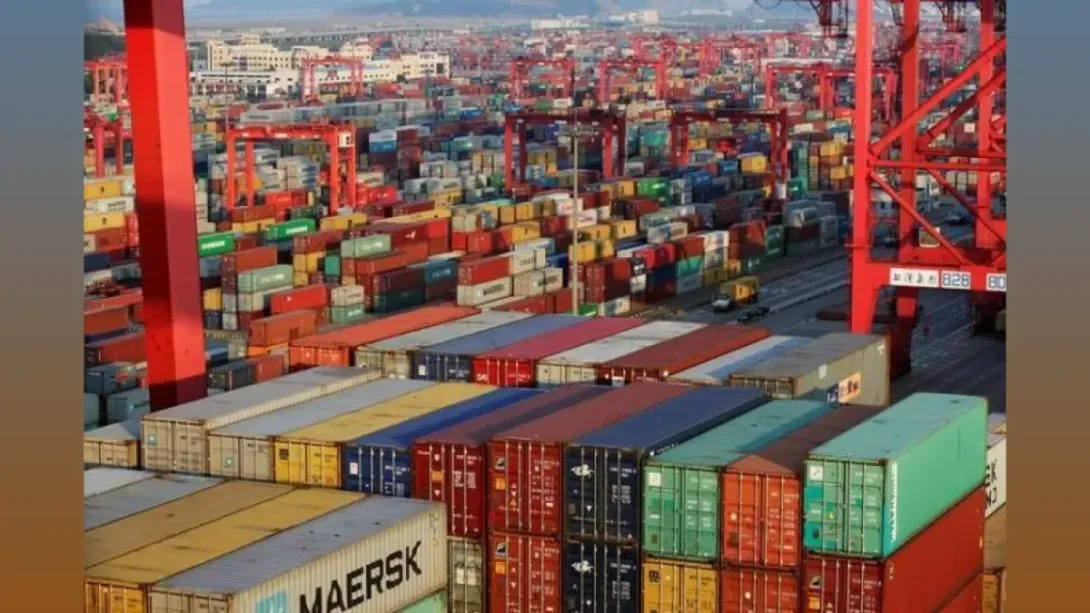
India has witnessed a dramatic surge in oilmeal exports to China, increasing twenty-fold in recent months, according to the Solvent Extractors’ Association of India (SEA). Driven by robust Chinese demand for soybean meal, rapeseed meal, and other protein-rich feed components, Indian exporters have capitalized on favorable trade conditions, pricing, and supply reliability.
Analysts highlight that this surge reflects India’s growing strategic role in global feed markets, expanding trade corridors, and the strengthening of bilateral agricultural trade. The spike also provides a significant boost to domestic oilseed processing industries, supporting revenue growth, employment, and integration with international commodity supply chains.
Surge in Oilmeal Exports
Data from SEA indicates that India’s oilmeal shipments to China have multiplied approximately 20-fold compared to the same period in the previous fiscal year. Soybean meal and rapeseed meal constitute the bulk of these exports, catering to China’s livestock and aquaculture feed demand.
Exporters attribute this surge to stable supply chains, competitive pricing relative to global peers, and proactive trade facilitation measures by both governments, which have eased logistical bottlenecks and enhanced port handling efficiency.
Drivers Behind the Surge
Several factors have fueled the unprecedented growth in oilmeal exports:
Rising Chinese Demand – China’s livestock and poultry sectors require large quantities of protein-rich feed ingredients, driving import reliance.
Competitive Pricing – India’s favorable production costs and currency dynamics make its oilmeal economically attractive.
Supply Chain Reliability – Indian exporters have leveraged improved logistics, warehousing, and shipping efficiency.
Trade Policy Alignment – Bilateral trade facilitation and regulatory support have enabled smoother export procedures.
Impact on Indian Oilseed Industry
The export surge has strengthened India’s oilseed processing sector, boosting profitability for crushers, refineries, and ancillary businesses. Increased revenue flows support reinvestment in technology, storage infrastructure, and quality control systems.
Additionally, the demand spike provides employment opportunities across processing hubs and port facilities, stimulating local economies and reinforcing India’s position as a reliable supplier in global protein meal markets.
Strategic Implications for Bilateral Trade
The growth of oilmeal exports underscores India’s expanding role in China’s feed ingredient supply chain. This trend may encourage long-term trade agreements, diversification of export portfolios, and collaborative ventures between Indian processors and Chinese feed manufacturers.
Analysts note that sustaining this momentum will require continued attention to quality standards, logistics optimization, and responsiveness to price fluctuations in global oilseed markets.
Outlook and Market Prospects
With global demand for protein meals expected to rise, India’s oilmeal exporters are strategically positioned to expand market share. Investments in processing efficiency, sustainable production practices, and enhanced supply chain visibility will be critical to meet growing Chinese demand while remaining competitive internationally.
The SEA anticipates that India-China trade in oilmeal may continue on an upward trajectory, presenting opportunities for long-term collaboration, revenue growth, and integration into global agricultural commodity networks.
Conclusion
India’s 20-fold increase in oilmeal exports to China highlights a significant shift in agricultural trade dynamics, reinforcing the country’s status as a reliable supplier of protein-rich feed ingredients.
This surge benefits domestic industries, strengthens bilateral trade relations, and positions India to capitalize on rising global demand for oilmeal, reflecting both economic opportunity and strategic market influence.
- Log in to post comments