India’s wholesale price inflation continued its upward trajectory for the fourth consecutive month in February 2026, reaching 2.13%, according to government data. The increase was primarily driven by higher prices across several sectors, including food articles, non-food commodities, basic metals, textiles, and other manufacturing segments. While vegetable prices recorded a modest month-on-month easing, broader commodity inflation contributed to the overall rise in the Wholesale Price Index (WPI). The figure represents an increase from January’s 1.81% but remains below the 2.45% recorded in February last year. The data reflects evolving price dynamics in India’s supply chain and manufacturing sectors, influencing broader economic conditions.
Wholesale Inflation Extends Upward Trend
India’s wholesale inflation rate, measured by the Wholesale Price Index (WPI), rose to 2.13% in February 2026, marking the fourth consecutive monthly increase. The latest figure represents a gradual rise from 1.81% recorded in January, signaling persistent price pressures across several industrial and commodity categories.
Despite the increase, the current inflation level remains slightly lower than 2.45% recorded in February 2025, suggesting that price growth is still relatively moderate compared with the previous year.
Economic analysts note that WPI inflation often reflects shifts in input costs faced by producers and manufacturers, making it an important indicator for assessing broader supply chain conditions within the economy.
Manufacturing and Commodity Prices Drive Inflation
According to the industry ministry, the rise in wholesale inflation during February was largely driven by increased prices across multiple industrial sectors. These included manufactured products, basic metals, textiles, and non-food articles, all of which contributed to the upward pressure on the index.
Manufacturing costs remain a crucial component of WPI inflation because they influence production expenses across industries ranging from construction to consumer goods. Rising input prices for metals and raw materials often translate into higher wholesale prices for finished products.
Industry experts suggest that fluctuations in global commodity markets, energy costs, and supply chain adjustments continue to shape these price movements.
Food Price Dynamics Show Mixed Trends
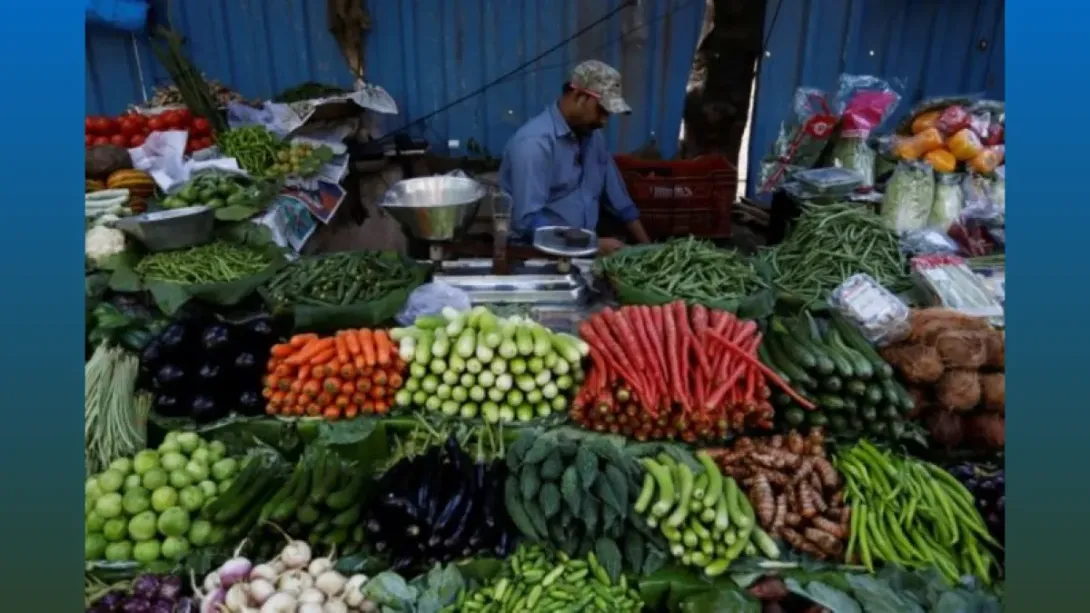
Food inflation also played a role in the February increase, with prices of several food articles rising at the wholesale level. However, vegetable prices showed some moderation on a month-to-month basis, providing partial relief within the broader food category.
Food commodities remain a critical factor in India’s inflation dynamics due to their direct impact on household spending and agricultural supply chains. Changes in weather patterns, crop yields, and transportation costs often influence price movements within this sector.
While vegetable prices declined slightly compared with the previous month, other food items continued to record price increases, contributing to the overall inflation rate.
Economic Implications for Industry and Policy
Wholesale inflation trends are closely monitored by policymakers, economists, and businesses because they provide early signals about cost pressures within the production cycle. Persistent increases in wholesale prices can eventually affect retail prices, influencing consumer inflation and monetary policy decisions.
For manufacturers, rising input costs may lead to tighter margins unless companies adjust pricing strategies or improve operational efficiency. In sectors such as metals and textiles, even modest increases in raw material costs can ripple through supply chains, affecting multiple industries.
Economists note that the moderate pace of WPI inflation suggests that while price pressures are building, they remain within a manageable range for the broader economy.
Outlook for Inflation in the Coming Months
Looking ahead, inflation trends will depend on several factors, including global commodity price movements, domestic agricultural output, and supply chain stability. Seasonal shifts in food production, particularly in vegetables and other perishable items, could influence short-term price volatility.
Meanwhile, manufacturing activity and raw material costs will remain key drivers of wholesale inflation. If commodity prices stabilize and agricultural supply improves, inflationary pressures may ease in the coming months.
Conclusion
India’s wholesale inflation rate rising to 2.13% in February 2026 reflects growing price pressures across manufacturing and commodity sectors, even as certain food categories showed temporary relief. The continued increase in WPI inflation underscores the importance of monitoring supply chain dynamics and input costs within the economy.
While the current level remains moderate compared with previous years, policymakers and businesses will closely track upcoming data to assess whether the upward trend signals broader inflationary momentum or merely short-term fluctuations in commodity markets.
- Log in to post comments