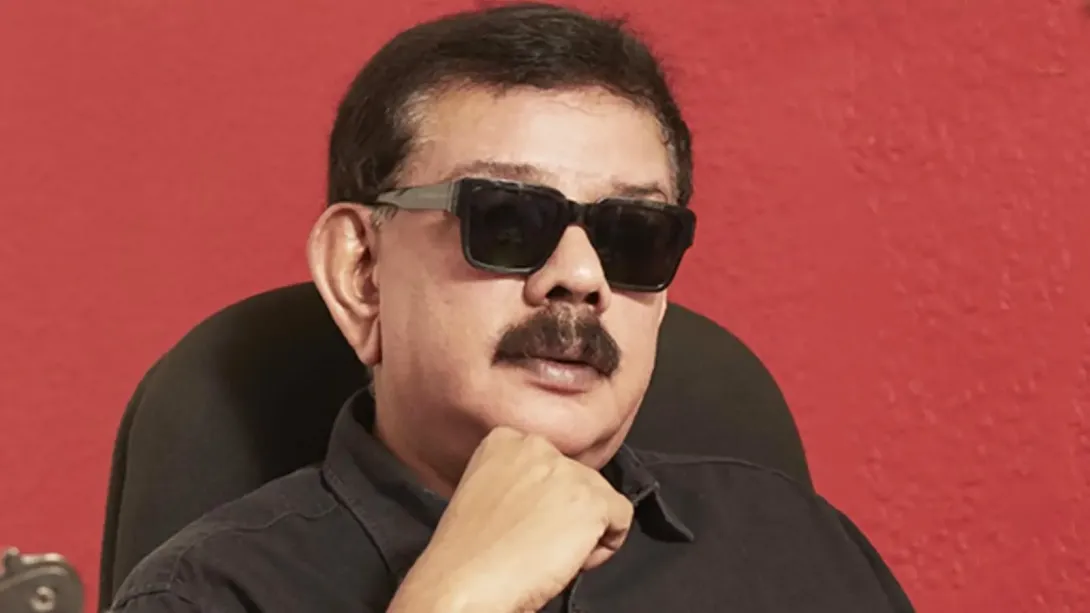
Veteran filmmaker Priyadarshan has reignited debate within the Indian film industry after stating that actors exert overwhelming influence over decision-making in Hindi cinema. In recent remarks, the director argued that the dominance of star power often shapes casting, storytelling and production priorities. His comments have drawn attention from filmmakers, producers and industry analysts who view the issue as central to the economics of Bollywood. Experts say the discussion reflects long-standing structural dynamics in the industry, where high-profile actors frequently command significant creative and financial authority.
A Veteran Director Raises Industry Concerns
Acclaimed filmmaker Priyadarshan recently offered a candid assessment of the power structure within Hindi cinema, suggesting that actors often dominate creative and financial decisions.
According to the director, the star-driven model prevalent in Bollywood places considerable influence in the hands of leading actors, sometimes overshadowing the roles of directors, writers and producers. His observations have sparked renewed debate about whether the industry’s current framework encourages creative diversity or limits storytelling innovation.
Priyadarshan’s comments carry weight given his long-standing career and experience working across multiple film industries in India.
The Economics of the Star System
The prominence of actors in Hindi cinema is closely linked to the financial realities of filmmaking. High-profile stars often serve as the primary drivers of box-office revenue, making them central to a film’s commercial prospects.
As a result, top actors frequently command substantial remuneration packages. In many cases, leading performers earn fees ranging from Rs. 20 crore to Rs. 100 crore per project, depending on their market value and the scale of production.
Producers, seeking to minimize financial risk, often rely on established stars to secure theatrical distribution deals, streaming contracts and international market access.
Creative Control and Industry Dynamics
The influence described by Priyadarshan extends beyond salaries. In some cases, leading actors participate in script development, casting decisions and marketing strategies.
While such involvement can strengthen a project by aligning creative and commercial interests, critics argue that it may also reduce opportunities for new talent and experimental storytelling.
Industry observers note that Bollywood’s star-centric structure contrasts with certain international film markets, where directors or studios often retain greater creative control.
Changing Landscape of Hindi Cinema
Despite the dominance of star power, Hindi cinema is undergoing significant transformation. The rise of digital streaming platforms has created new avenues for content-driven storytelling that does not always depend on major actors.
Independent filmmakers and emerging performers have begun gaining recognition through streaming services and smaller-budget productions. This shift suggests that audience preferences may gradually expand beyond traditional star-driven narratives.
Analysts believe the balance between star power and content quality will shape the future direction of the industry.
Industry Response and Broader Debate
The remarks made by Priyadarshan have prompted conversations among filmmakers, producers and critics about the structural dynamics of Bollywood.
Some industry figures agree that the current system concentrates excessive authority in the hands of actors. Others argue that star power remains essential for financing and marketing large-scale films in a highly competitive entertainment environment.
Regardless of perspective, the debate underscores the complex interplay between creativity and commerce in modern filmmaking.
The Future of Power in Bollywood
As Hindi cinema continues to evolve, the relationship between actors, directors and producers is likely to remain a central issue. The rise of digital distribution, changing audience tastes and increasing global competition are gradually reshaping the industry’s traditional hierarchies.
For now, the observations of Priyadarshan serve as a reminder that the balance of power in Bollywood is not merely a creative question — it is also a financial and structural one that influences the future of Indian cinema.
- Log in to post comments