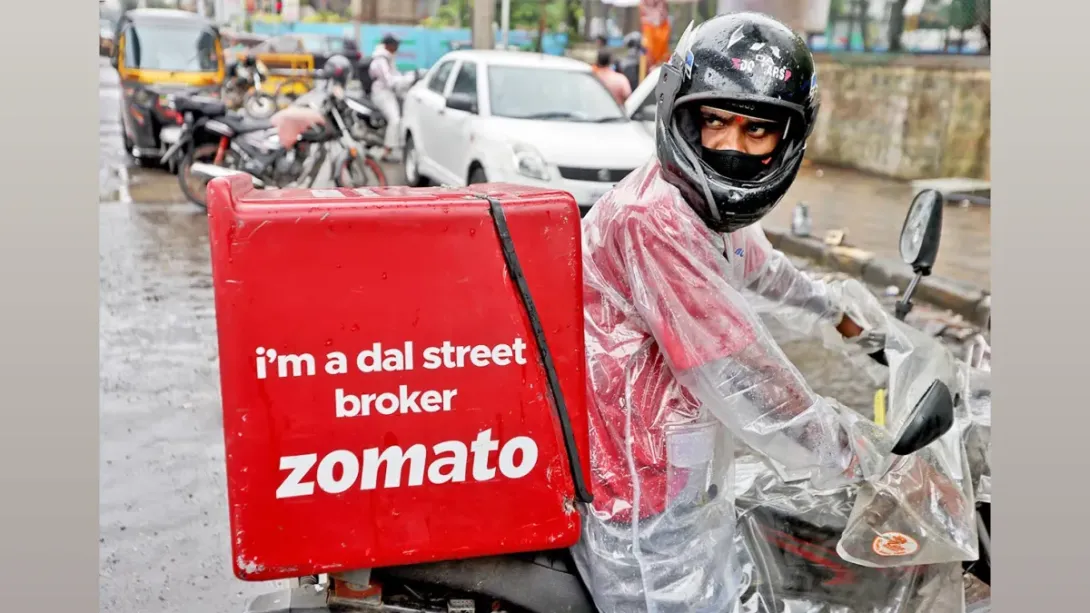
Indian food delivery giant Swiggy has increased its platform fee to Rs. 17.58 per order, reflecting a broader shift in the economics of online food delivery. The adjustment comes as companies across the sector attempt to balance growth ambitions with profitability amid rising operational costs, including logistics, technology infrastructure and marketing expenditures. While the increase may appear modest at the individual order level, it signals a strategic recalibration aimed at strengthening revenue streams. Industry analysts believe the move highlights the maturing phase of India’s food delivery market, where sustainable margins and disciplined pricing are becoming increasingly important.
Swiggy Adjusts Platform Fee Structure
Swiggy has revised its platform fee, raising it to Rs. 17.58 per order. The platform fee is a service charge added to each transaction and is distinct from delivery charges, restaurant prices and applicable taxes.
The change underscores the company’s efforts to diversify revenue sources and gradually improve unit economics. Over the past few years, food delivery platforms have relied heavily on promotional discounts and subsidies to attract customers. However, as the industry matures, companies are increasingly focusing on monetization strategies that allow them to sustain operations without aggressive discounting.
The updated fee structure represents another step toward aligning operational costs with revenue generation.
Rising Costs Reshape Food Delivery Economics
The digital food delivery ecosystem operates on complex logistics involving restaurant partnerships, delivery networks and technology infrastructure. Maintaining these systems requires substantial investment in last-mile delivery, artificial intelligence-driven order management and customer support.
As inflationary pressures affect fuel prices, rider incentives and operational overheads, companies like Swiggy are reassessing their pricing frameworks. Incremental platform fees help offset these costs without significantly altering menu prices or delivery charges.
Industry observers say such pricing adjustments are increasingly common as companies seek financial stability in a competitive market environment.
Competitive Pressure in India’s Food Tech Sector
Swiggy operates in a fiercely competitive sector dominated by a handful of major players, including rival platform Zomato. Both companies have been experimenting with various revenue models ranging from subscription services to advertising tools for restaurants.
The platform fee has emerged as a key lever to improve profitability without undermining customer demand. For users, the additional cost is relatively small per order, but when aggregated across millions of transactions each month, it becomes a meaningful revenue stream for the company.
Such strategic pricing decisions also reflect investors’ growing expectations for sustainable growth and improved financial performance.
Customer Impact and Market Response
For consumers, the immediate financial impact of the fee increase is limited to a marginal rise in the total cost of each order. However, frequent users of food delivery services may gradually notice the cumulative effect over time.
Market analysts suggest that customer behavior is unlikely to shift dramatically unless platform fees rise significantly or are combined with higher delivery charges. Convenience, speed and restaurant variety remain the primary factors influencing consumer choice in the food delivery market.
As a result, modest pricing adjustments are often absorbed by consumers who value the service’s efficiency and accessibility.
A Sector Moving Toward Profitability
India’s food delivery industry has entered a phase where profitability is becoming as critical as growth. After years of rapid expansion fueled by venture capital and aggressive customer acquisition strategies, companies are now under pressure to demonstrate sustainable business models.
For Swiggy, the revised platform fee represents part of a broader effort to strengthen its financial fundamentals while continuing to expand its services. If managed carefully, such measures could help the company move closer to long-term profitability while maintaining its leadership position in India’s fast-evolving digital commerce ecosystem.
Comments