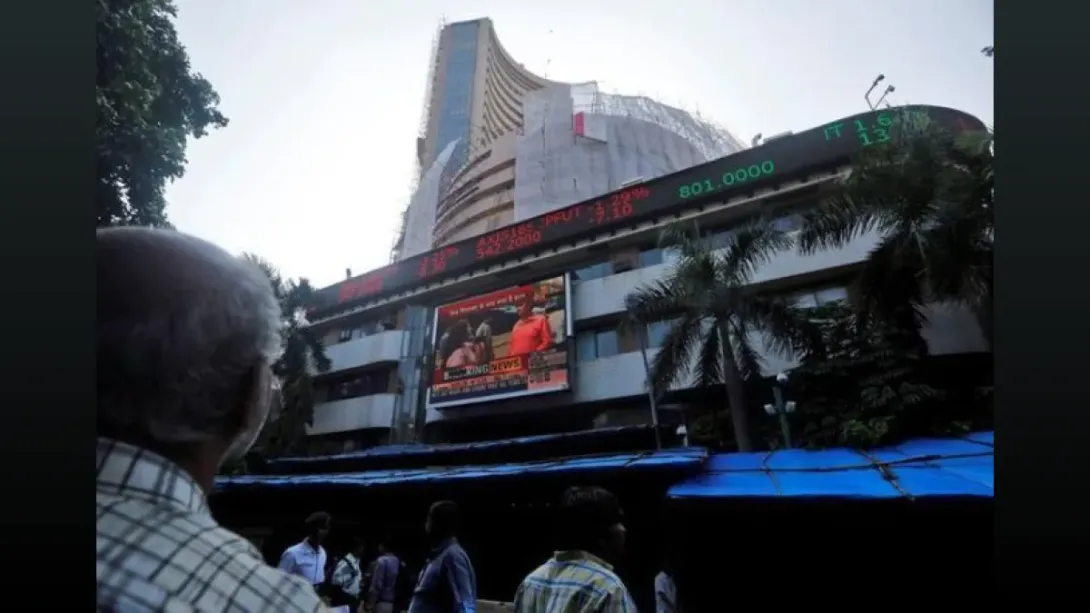
India’s stock markets experienced a sharp decline, wiping out a staggering Rs 12.87 lakh crore in market capitalization, as investors reacted to global volatility, rising crude prices, and domestic macroeconomic concerns. Benchmark indices fell, with sectoral indices in finance, IT, and energy under pressure. Analysts point to a combination of foreign fund outflows, inflationary expectations, and policy uncertainties as drivers of the sell-off. Market participants are advised to exercise caution, focus on quality stocks, and monitor policy announcements. While short-term volatility is high, long-term investors may find strategic opportunities amid valuation corrections, highlighting the dynamic nature of India’s equity markets.
Factors Driving the Market Decline
The sudden market downturn is attributed to a confluence of domestic and international factors:
Global Crude Oil Surge – Rising crude prices are fueling inflation concerns, impacting corporate margins and investor sentiment.
Foreign Fund Outflows – Increased overseas selling has intensified pressure on equities, particularly in large-cap segments.
Macroeconomic Uncertainty – Inflationary expectations, interest rate speculations, and geopolitical risks have amplified market volatility.
Experts note that such corrections, though sharp, are typical during periods of macroeconomic and geopolitical uncertainty.
Sector-Wise Impact
The sell-off was broad-based, affecting multiple sectors:
- Financials – Banks and NBFCs saw steep declines due to potential credit cost concerns.
- Information Technology – IT services stocks faced pressure amid currency fluctuations and global demand slowdown fears.
- Energy & Commodities – Rising crude prices and production uncertainties impacted energy stocks.
Mid-cap and small-cap indices were particularly vulnerable, reflecting investor caution and risk-off sentiment.
Investor Sentiment and Market Outlook
Market experts emphasize the importance of measured responses during such volatility:
- Focus on fundamentally strong stocks with robust earnings.
- Avoid panic selling, as market corrections are often temporary.
- Diversify portfolios to mitigate sectoral or company-specific risk.
Analysts predict short-term turbulence may persist until global commodity prices stabilize and domestic policy clarity emerges.
Strategic Considerations for Investors
Despite the dramatic losses, corrections often create opportunities for disciplined investors:
- Long-Term Opportunities – Valuation dips may allow entry into fundamentally strong companies at attractive prices.
- Portfolio Rebalancing – Investors can reassess asset allocation, balancing equity exposure with safer instruments.
- Monitoring Policy Signals – Central bank communications, fiscal measures, and inflation reports will be key in guiding market direction.
Financial advisors recommend patience, informed decision-making, and adherence to risk management protocols.
Conclusion
The Indian stock market’s Rs 12.87 lakh crore loss reflects heightened sensitivity to global and domestic economic pressures.
While volatility underscores investor caution, disciplined investment strategies, focus on quality assets, and attention to policy developments can help navigate turbulent markets and identify long-term wealth creation opportunities in India’s evolving equity landscape.
- Log in to post comments