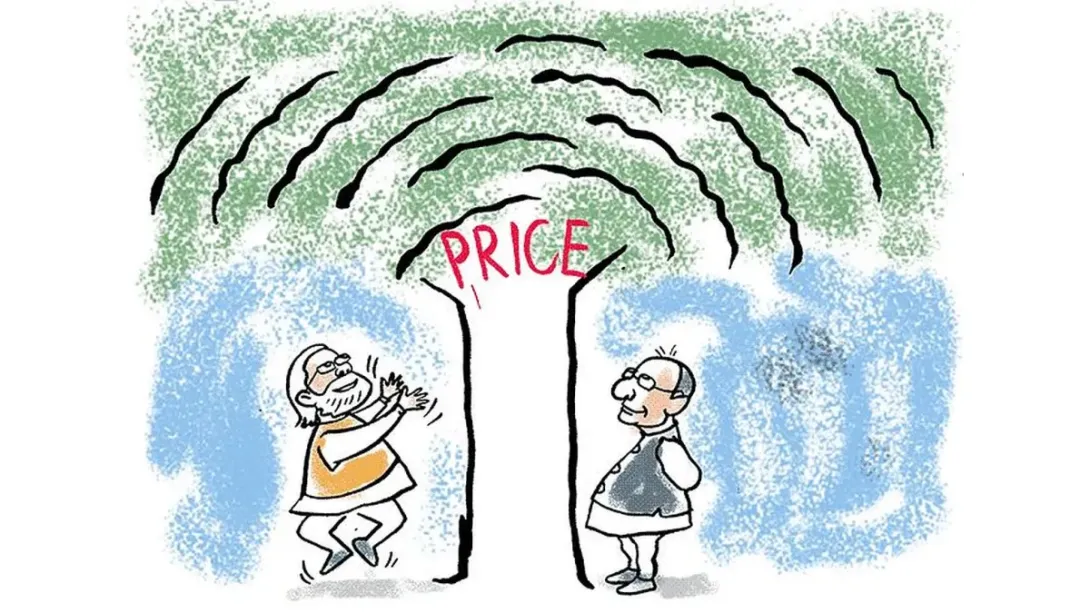
India’s economic policy debate has intensified after Swadeshi Jagran Manch (SJM) called on the government to reconsider the continuation of a global pause on customs duties for digital goods. The organization argues that the current framework may limit India’s ability to regulate cross-border digital trade and protect domestic industries. As digital products—from software to online media—grow into a multibillion-rupee segment of the economy, policymakers face increasing pressure to balance innovation, trade commitments, and revenue considerations. Analysts believe the discussion reflects broader global concerns about taxation in the rapidly expanding digital economy.
Policy Debate Over Digital Trade Rules
The Swadeshi Jagran Manch has urged policymakers to revisit India’s stance on the international moratorium that prevents countries from imposing customs duties on electronic transmissions and digital goods.
The issue has gained prominence as the digital economy becomes an increasingly important driver of global commerce. Digital goods—including software downloads, digital media, and cloud-based services—now represent a rapidly expanding segment of international trade.
SJM argues that continuing the moratorium without reassessment could restrict India’s policy flexibility at a time when digital markets are becoming strategically important for economic growth.
Understanding the Digital Goods Duty Moratorium
The global pause on duties for digital goods has been in place for several years under international trade frameworks, with the objective of promoting cross-border digital commerce and technological innovation.
Supporters of the moratorium argue that eliminating tariffs on electronic transmissions encourages investment, fosters innovation, and reduces costs for consumers and businesses.
However, critics—including voices from organizations such as Swadeshi Jagran Manch—believe the arrangement may create an uneven playing field by allowing multinational technology companies to supply digital products across borders without paying duties that physical goods might incur.
Concerns About Domestic Industry and Revenue
One of the central arguments raised by the Swadeshi Jagran Manch relates to potential revenue losses and competitive disadvantages for domestic producers.
As digital products increasingly replace physical goods, the absence of tariffs could limit the government’s ability to generate customs revenue from cross-border digital trade. At the same time, local content creators and technology firms may face intensified competition from international companies that can deliver digital products directly to consumers.
Advocates of revisiting the policy believe that allowing countries to impose moderate duties could help create a more balanced regulatory environment.
Digital Economy’s Expanding Financial Impact
India’s digital economy has grown rapidly over the past decade, driven by expanding internet access, digital payments, and a flourishing technology startup ecosystem.
Digital goods and services now contribute billions of rupees to the broader economy each year, spanning industries such as entertainment, software development, education technology, and online services.
With the sector’s economic significance continuing to rise, debates around taxation, regulation, and trade policy have become increasingly important for policymakers.
Balancing Innovation and Economic Sovereignty
Economic analysts emphasize that the debate surrounding digital goods duties reflects a broader challenge faced by governments worldwide: balancing the promotion of innovation with the need to maintain fiscal sovereignty.
While tariff-free digital trade can stimulate growth and global connectivity, policymakers must also consider the long-term implications for domestic industries and public revenues.
Organizations such as Swadeshi Jagran Manch argue that developing economies, in particular, should retain the flexibility to design policies that protect emerging technology sectors.
Outlook: Policy Discussions Likely to Continue
The call from Swadeshi Jagran Manch highlights the growing complexity of regulating digital commerce in a rapidly evolving global economy.
As digital trade expands and new business models emerge, governments around the world will continue to debate how best to structure taxation and trade rules for intangible goods.
For India, the discussion represents a critical policy decision—one that could influence the country’s digital trade strategy, domestic industry competitiveness, and long-term fiscal framework in the years ahead.
- Log in to post comments