Economy

India Accelerates PNG Expansion as Centre Prioritizes Urban Gas Infrastructure
Submitted by Kartik Sharma on

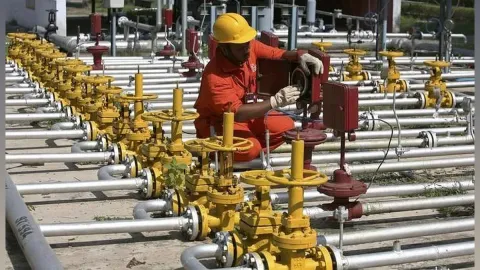
The Indian government is intensifying efforts to expand Piped Natural Gas (PNG) infrastructure across urban regions, aiming to strengthen energy accessibility, reduce pollution, and modernize the country’s gas distribution network. The initiative, led by the Ministry of Petroleum and Natural Gas, focuses on accelerating city gas distribution systems to supply cleaner fuel directly to households and businesses. As India continues to pursue a long-term transition toward cleaner energy sources, PNG expansion is becoming a critical component of urban energy policy.

India’s Healthcare Industry Set to Reach Rs. 58 Lakh Crore by 2030 as Investment and Innovation Accelerate

Submitted by Kartik Sharma on

India’s healthcare industry is projected to expand dramatically, reaching an estimated $700 billion—approximately Rs. 58 lakh crore—by 2030. The sector’s rapid growth is being driven by rising healthcare demand, expanding insurance coverage, technological innovation, and increasing private investment. Major hospital chains, pharmaceutical companies, and digital health platforms are scaling operations to meet the needs of a growing and increasingly health-conscious population.

Jan Vishwas Bill Reforms: Government Revises Penalty Framework Under Electricity Act

Submitted by Kartik Sharma on

India’s legislative reforms under the Jan Vishwas (Amendment of Provisions) Act are reshaping the country’s regulatory landscape by rationalizing penalties across multiple laws, including provisions under the Electricity Act, 2003. The initiative seeks to decriminalize minor offenses, replace certain criminal liabilities with monetary penalties, and simplify compliance mechanisms for businesses and consumers. Policymakers argue that the changes will improve ease of doing business while maintaining regulatory oversight in the power sector.

India’s Economic Momentum Accelerates Amid Infrastructure Expansion and Digital Transformation

Submitted by Kartik Sharma on

India is experiencing a period of notable economic momentum as the India strengthens its position among the world’s fastest-growing major economies. Driven by large-scale infrastructure investments, expanding digital ecosystems, and rising consumer demand, the country is attracting increasing global investor attention. Policymakers led by the Government of India are focusing on structural reforms, financial inclusion, and manufacturing growth to sustain long-term development.

India Reduces Excise Duties on Petrol and Diesel to Cushion Impact of Global Oil Price Surge

Submitted by Kartik Sharma on

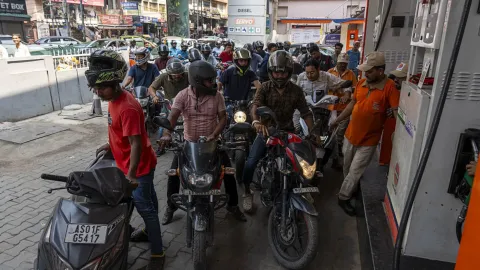
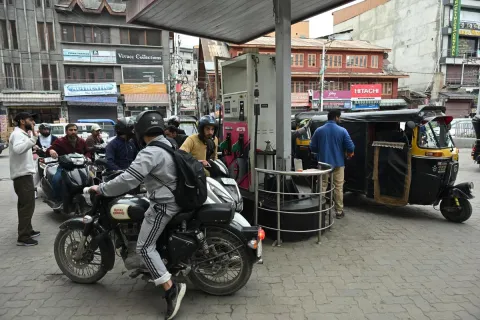
In response to rising international crude oil prices, the Government of India has announced a reduction in excise duties on petrol and diesel to ease the burden on consumers and businesses. The decision reflects growing concerns about inflationary pressures triggered by volatile energy markets. By lowering indirect taxes on fuel, policymakers aim to stabilize domestic retail prices, support economic activity, and contain transportation costs across sectors. Analysts suggest the move could provide short-term relief for households while also helping industries manage operational expenses.

Finance Ministry Rules Out PSU Bank Mergers Amid Strategic Review

Submitted by Kartik Sharma on

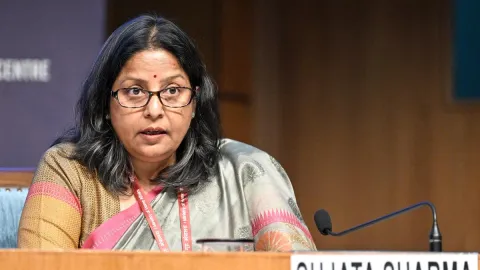
The Ministry of Finance, India has clarified that no mergers among public sector banks (PSBs) are currently under consideration, signaling a strategic pause in consolidation discussions. Analysts note that while the Indian banking sector has witnessed several high-profile mergers in recent years aimed at strengthening balance sheets and operational efficiencies, the Finance Ministry’s statement underscores a cautious approach amid evolving economic conditions. The announcement provides clarity to investors and stakeholders, alleviating market speculation.

8th Pay Commission Progresses with Defined Timeline, Offering Clarity to Government Employees

Submitted by Kartik Sharma on

The Indian government has provided long-awaited clarity on the 8th Central Pay Commission, confirming its formal constitution on November 3, 2025. The commission has been granted an 18-month timeframe to submit recommendations on salaries, allowances, and pensions for central government employees and retirees. While the announcement signals progress, it also underscores that implementation will take time. The development carries significant economic and fiscal implications, as pay revisions influence consumption, inflation, and public expenditure.

India Secures Fuel Stability Amid West Asia Tensions, Government Assures Adequate LPG and Crude Oil Supplies

Submitted by Kartik Sharma on

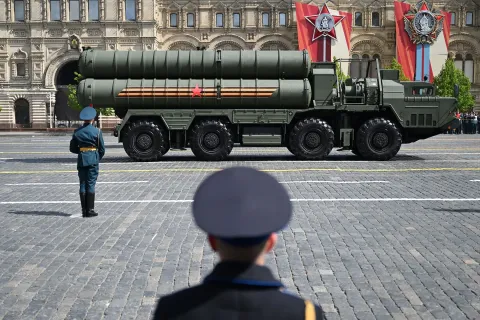
India has reassured markets and consumers of strong fuel security despite escalating geopolitical tensions in West Asia. The government confirmed that the country holds sufficient reserves of crude oil, petrol, diesel, and LPG, with supply secured for up to 60 days and total storage capacity reaching 74 days. Additionally, one month of LPG imports has already been arranged, with further procurement underway. Domestic LPG production has surged, now meeting over 60 percent of demand.

Indian Banks Transfer Rs. 60,518 Crore in Unclaimed Deposits to RBI: What It Means for Account Holders

Submitted by Kartik Sharma on

Indian banks have transferred unclaimed deposits worth Rs. 60,518 crore to the Reserve Bank of India, highlighting the growing volume of dormant financial assets in the country’s banking system. These funds originate from savings accounts, fixed deposits and other banking instruments that have remained inactive for extended periods without customer claims. The transfer is carried out under regulatory requirements designed to safeguard depositor interests and ensure transparency in the financial system.

Petrol Price Dynamics Reshape India’s Energy Market Amid Global Oil Volatility

Submitted by Kartik Sharma on

Petrol prices in India remain closely tied to fluctuations in global crude oil markets, taxation policies, and currency movements. Recent shifts in international energy prices have renewed attention on the cost of fuel for consumers and businesses alike. As one of the most widely used fuels in transportation, petrol plays a critical role in shaping inflation, logistics costs, and consumer spending patterns. Analysts note that the pricing structure involves a complex blend of international crude benchmarks, refining costs, and domestic taxes.

Subscribe to Economy